
Defining the “Make Do” philosophy
When I first came across this term, “make do” did not make sense to me. I didn’t know or understand this english word. After a quick research, I understood that this meant trying to make the best use of what you already own. The objective is to make things last as long as possible and, most of all, be content with that.
If I had to summarize this way of thinking -and, making- it would be throught the values of
Resourcefulness: use what your already own, avoiding as much as possible to buy new things
Pragmatism: it is better to do something that imperfect than not doing it at all or at an exorbitant cost.
Contentment: you can make with what you have even though it is not perfect. And you can find joy, satisfaction and contentment in the fact that you could create something useful with your hands.
Historical Roots
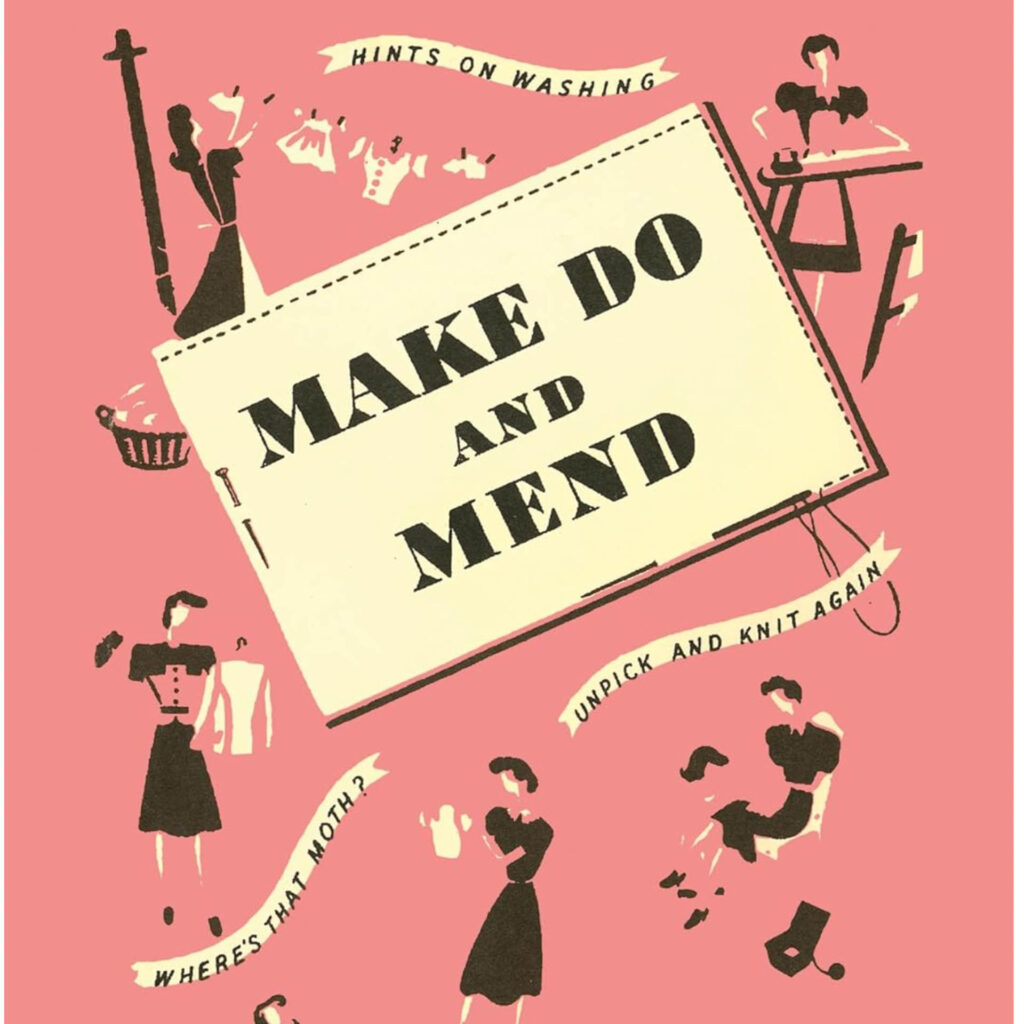
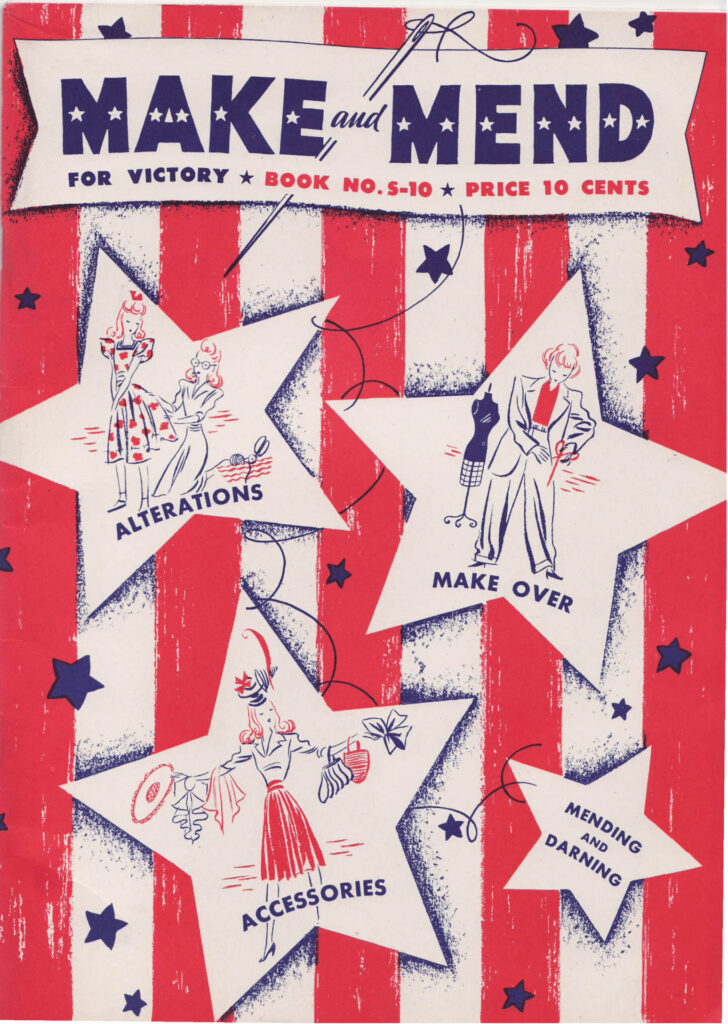
I discovered this way of thinking by reading the booklets created by the British Government during WWII. They put into written form practises that have been existing for centuries in traditional households, where each single resource – earned with hard phisical work- mattered. A very similar initiative was pursued by the US Gorvernment with comparable publications.
Not only I find these documents extremely fascinating, but I think they are valuable because, as rare as it is in our modern societies, being frugal was not only encouraged, but a widely accepted and even necessary form of “survival” for those communities.
Today, thinking in the first place about climate change, we should feel the same pressure. Unfortunately I am under the impression that the large majority of our society is adressed toward diametrically opposite practises and values, such as the obssesive and continual acquisition of “things” as the only marker for being considered a “good” human being.
The relevance of “make do” in our actual context
My hope is that rediscovering the make-do mindset will eventually become widespread, rather than remaining a quaint memory of how our grandparents lived. The growth of Repair Cafés (repaircafe.org) around the world is an encouraging sign.
We should start celebrating constraints as a driver of innovation rather than a limitation. I’ve personally found that thinking creatively about the use of an object can lead to new and original solutions. Out of habit, we surrender to the convenience of “buy now” culture, but I believe that observing and repairing what we already own is a far richer experience in many ways. It deepens our appreciation of the intrinsic value of stuff, transforming it into things we love that help us live better.
If you get the chance, I’d encourage you to read Less: Stop Buying So Much Rubbish by Patrick Grant. It’s a profound reflection on the value of things for communities as a whole, and it will make you reconsider what you bring into your home. The vitality of communities depends, more than we might think, on every choice we make as consumers. I don’t want to sound judgmental here — it isn’t always possible to make the most informed purchase — but awareness matters, and so does making the best possible use of what we already own.
— The Green Frugalista
Further reading on the blog: Mindufl consumption & the Make do philisophy